
Foreign exchange trading performance is shaped by measurable structural factors including execution quality, risk control frameworks, data interpretation, and platform reliability. These elements influence trade consistency, capital preservation, and operational efficiency. Understanding how performance is built at a structural level provides context for how participants operate within the global currency market.
Market Structure and Performance Drivers
Forex performance is directly connected to the structure of the decentralized currency market. Unlike centralized exchanges, forex trading occurs across a network of banks, liquidity providers, and electronic platforms. Execution speed, spreads, and order routing impact trade outcomes in ways that extend beyond strategy selection.
Key structural drivers include:
| Factor | Description | Performance Impact |
|---|---|---|
| Liquidity access | Availability of counterparties | Affects spread stability |
| Execution latency | Order processing speed | Influences slippage risk |
| Market hours | 24-hour global sessions | Determines volatility cycles |
| Broker infrastructure | Platform and routing quality | Impacts trade precision |
Performance variability often emerges during high-volatility periods when liquidity temporarily contracts and spreads widen.
Risk Management as a Performance Framework
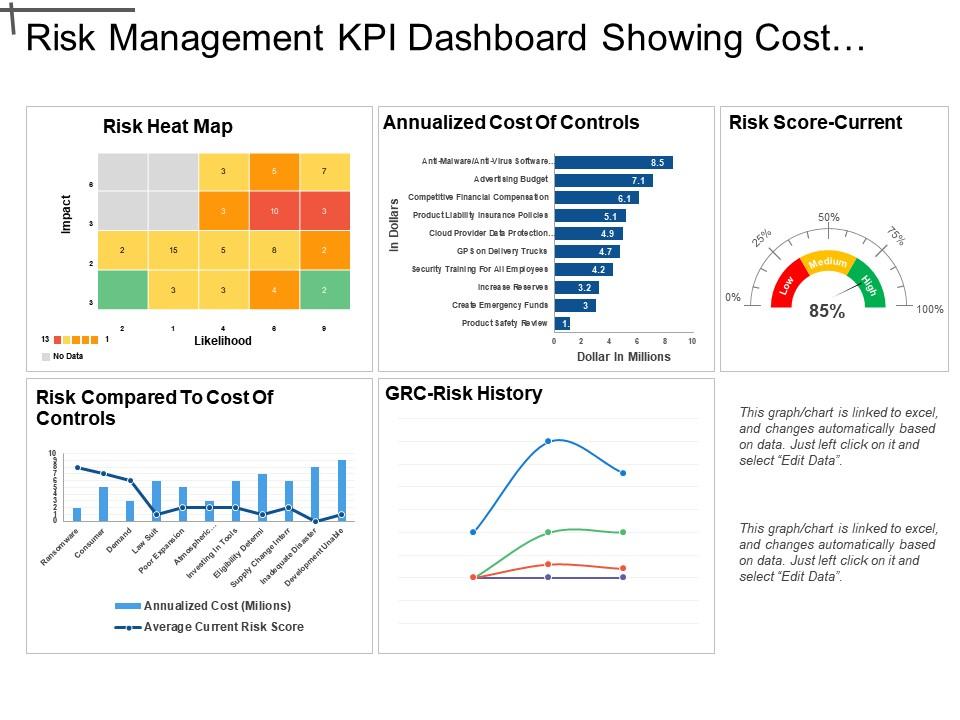
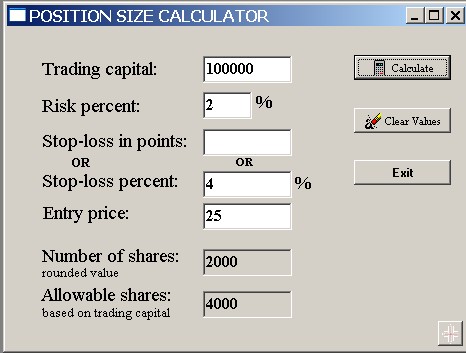
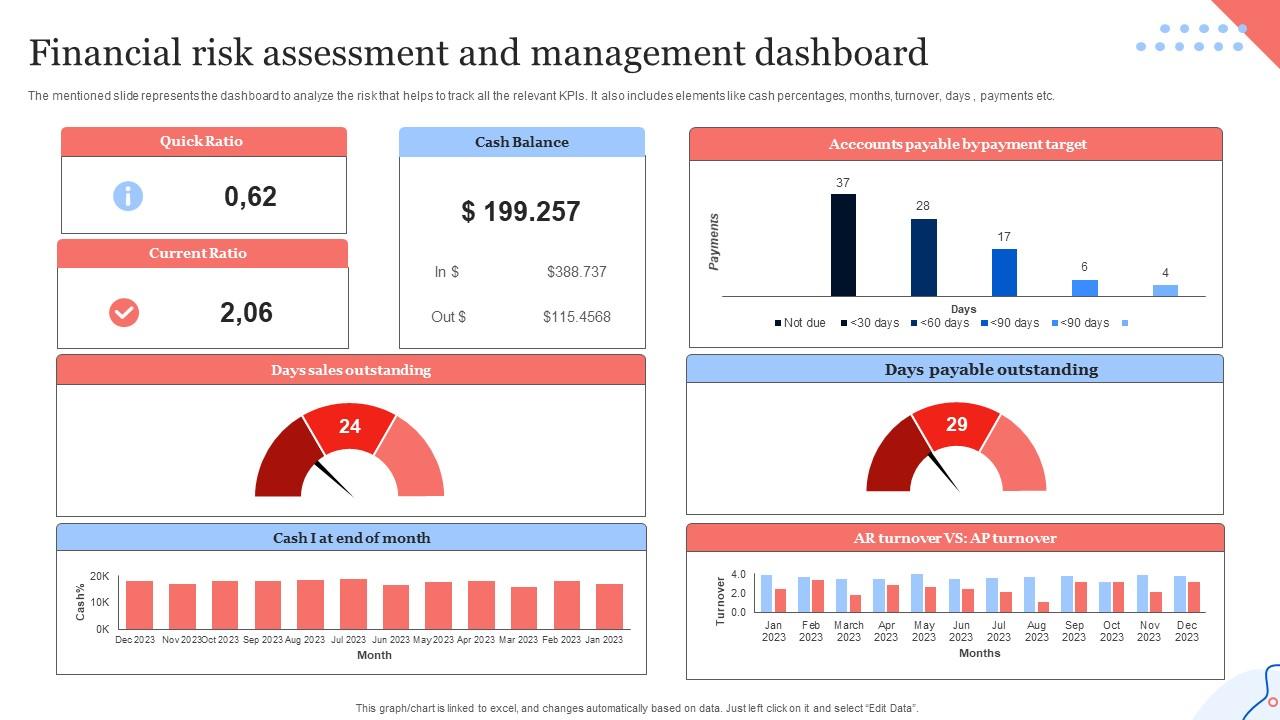
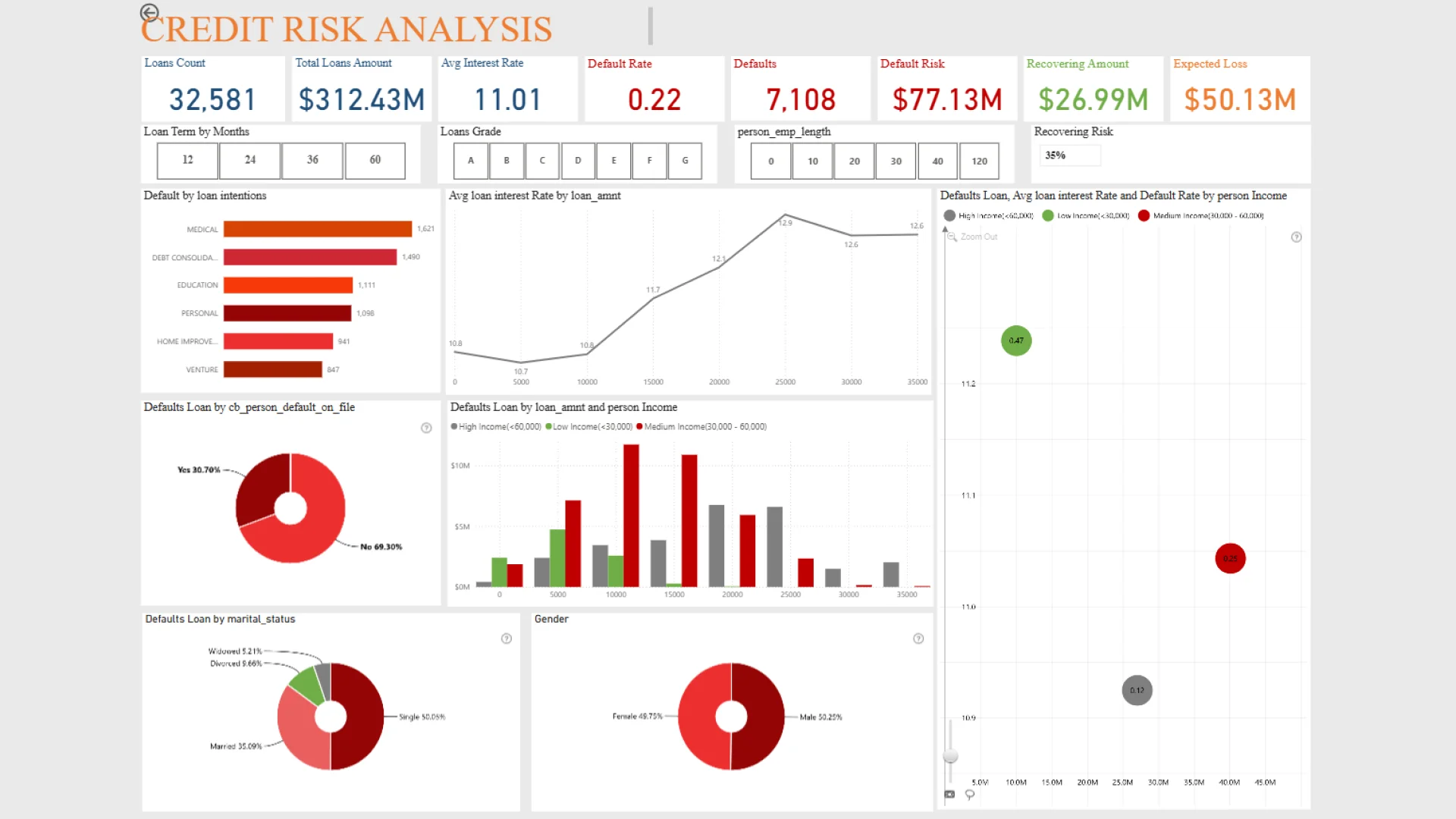
Risk management operates as the structural backbone of sustained forex activity. Capital allocation rules determine exposure per trade and aggregate portfolio vulnerability. Performance stability is closely tied to drawdown control rather than short-term profit frequency.
Core components of risk structure include:
- Position sizing models
- Maximum exposure limits
- Stop-loss enforcement
- Correlation awareness between currency pairs
Empirical trading data shows that volatility-adjusted risk models reduce large equity swings and preserve trading continuity during adverse cycles.
Role of Data Interpretation and Analytical Discipline
Forex markets react to macroeconomic releases, central bank communication, and geopolitical developments. Performance depends on how consistently data is processed and integrated into decision frameworks.
Macroeconomic Inputs
Currency pricing responds to measurable indicators such as:
- Inflation reports
- Employment statistics
- Interest rate decisions
- GDP growth figures
Traders who apply structured analytical routines demonstrate lower variance in execution behavior compared to discretionary reactions to news flow.
Technical Infrastructure
Digital charting systems and algorithmic tools shape execution accuracy. Platforms such as MetaTrader 5 standardize data visualization and order management across global participants. Consistent interface behavior reduces operational friction during fast market conditions.
Psychological Stability and Execution Consistency




Behavioral research in financial markets identifies execution discipline as a measurable performance factor. Psychological volatility often translates into inconsistent trade sizing, premature exits, or overexposure.
Structured routines reduce behavioral variance:
- Predefined entry criteria
- Written risk limits
- Post-trade performance logs
- Statistical tracking of outcomes
Consistency frameworks transform trading from impulse-driven activity into repeatable process management.
Technology and Infrastructure Reliability
Forex performance is partly dependent on infrastructure stability. System outages, internet latency, and platform crashes introduce execution risk independent of market conditions.
Institutional-grade setups prioritize:
- Redundant connectivity
- Low-latency order routing
- Secure data feeds
- Backup trading access
Technology resilience ensures that strategic decisions translate into executed trades without interruption.
FAQ
What determines forex trading performance beyond strategy?
Execution quality, liquidity conditions, and risk structure play measurable roles alongside strategy design.
Why does risk management influence long-term outcomes?
Risk frameworks control capital erosion during volatility, allowing sustained market participation.
How does market structure affect trade execution?
Decentralized liquidity leads to variable spreads and slippage depending on time and volatility.
Does technology reliability impact profitability?
Infrastructure failures can prevent order execution, directly affecting realized results.
Final Verdict
Forex trading performance is shaped by structural market mechanics, disciplined risk frameworks, analytical consistency, behavioral control, and infrastructure reliability. These components collectively determine operational stability within the global currency market.




Post a Comment